
My mother-in-law walked into our living room last week wearing this gorgeous floral Irani chadar that made everyone stop and stare. “Where did you get that?” became the question of the evening. That’s the power of a good Irani chadar it transforms your entire look instantly.
If you’re trying to figure out what makes Irani Chadar in Pakistan such a big deal or wondering which one to buy, you’re in the right place. Let me break down everything you actually need to know prices, designs, styling tips, and where to find the best ones in 2026.
What Exactly is an Irani Chadar?
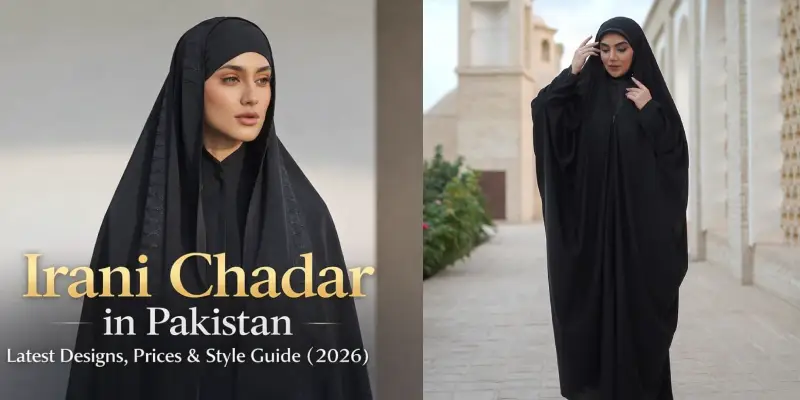
Before we get into specifics, let’s clear this up. An Irani chadar is a large, printed shawl or dupatta that originated from Iran but has become a staple in Pakistani wardrobes. These aren’t your basic plain dupattas they’re statement pieces.
The Irani Chadar in Pakistan comes in vibrant prints, usually floral or geometric patterns, with rich colors that pop. They’re typically made from soft, flowy fabrics like chiffon, cotton, or viscose that drape beautifully.
Length wise, they’re generous usually 2.5 to 3 yards giving you plenty of fabric to style different ways.
What makes them special? The prints are bold and unapologetic. While Pakistani dupattas often feature delicate embroidery or subtle prints, Irani Chadar in Pakistan brings the drama with large scale florals, paisley designs, and color combinations you won’t find elsewhere.
Current Prices in Pakistan (2026)
Let’s talk money because that’s probably what you’re wondering. Prices for Irani Chadar in Pakistan vary quite a bit based on fabric, print quality, and where you’re buying.
Price Breakdown by Quality
| Quality Level | Fabric Type | Price Range (PKR) | Where to Buy |
|---|---|---|---|
| Budget Friendly | Viscose, Basic Cotton | 500 – 1,200 | Street markets, Online bulk sellers |
| Midn Range | Good Quality Chiffon, Lawn | 1,500 – 3,500 | Local boutiques, Popular online stores |
| Premium | Silk Blend, Digital Print Chiffon | 4,000 – 8,000 | Designer boutiques, High end retailers |
| Luxury/Designer | Pure Silk, Hand printed | 10,000+ | Designer stores, Custom orders |
Real talk: you can find decent Irani Chadar in Pakistan for around 1,500-2,000 rupees that’ll look great and last well. Don’t feel pressured to buy the most expensive one. I’ve seen 1,200 rupee chadars look better than 5,000 rupee ones because the print and colors were chosen better.
What Affects the Price?
Fabric quality
Makes the biggest difference. Chiffon drapes beautifully but costs more than viscose. Silk is gorgeous but jumps the price significantly.
Print technique
Matters too. Digital prints are clearer and more vibrant but cost more than screen prints. Hand block prints are the most expensive but offer unique, artisanal quality.
Brand name
Adds cost. A designer label will charge more, but you’re paying for their design aesthetic and quality assurance. Sometimes worth it, sometimes just expensive.
Latest Designs and Trends for 2026
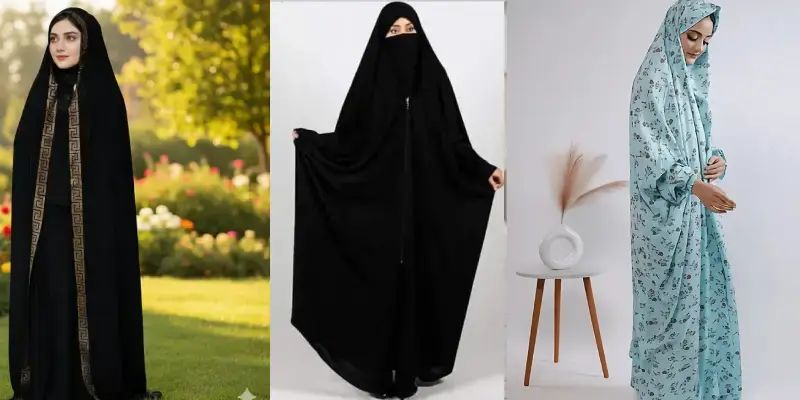
The Irani Chadar in Pakistan market has exploded with new designs this year. Here’s what’s actually trending, not what brands claim is trending.
Hot Design Trends Right Now
Oversized Florals
Big, bold flower prints in jewel tones. Think dinner plate sized roses in deep reds, emerald greens, and royal blues. These make serious statements and work beautifully for evening wear.
Geometric Patterns
Clean lines, symmetrical designs, modern aesthetics. These appeal to younger buyers who want something less traditional. The Irani Chadar in Pakistan has evolved beyond just florals.
Monochrome Prints
Single color prints on contrasting backgrounds. Black and white, navy and cream, burgundy on beige. These are versatile and sophisticated.
Abstract Art Prints
Watercolor effects, splatter patterns, artistic designs that look like they belong in a gallery. Very Instagram worthy.
Traditional Persian Motifs
Paisley, peacock designs, intricate traditional patterns that honor the Iranian roots. These never really go out of style.
Pastel Combinations
Soft pinks, mint greens, lavender, and peach. Perfect for daytime wear and spring/summer seasons. Less common in traditional Irani Chadar in Pakistan but gaining popularity.
Color Trends for 2026
Jewel Tones
Emerald, sapphire, ruby red, amethyst. These rich colors dominate the market because they work year round and suit most skin tones.
Earth Tones
Terracotta, olive green, rust, mustard. More subdued but incredibly chic. Great for everyday wear.
Contrasting Combos
Black with fuchsia, navy with orange, forest green with pink. Bold color blocking that makes the Irani Chadar in Pakistan stand out.
Metallics
Gold and silver thread work or metallic print overlays. These add glamour for formal occasions.
Fabric Guide: Which One Should You Buy?
Choosing the right fabric matters more than you think. The same print on different fabrics gives completely different vibes.
Chiffon Irani Chadar
Best for: Formal occasions, evening wear, elegant draping
Chiffon is lightweight, flowy, and drapes like a dream. It’s the most popular choice for Irani Chadar in Pakistan because it looks expensive even when it’s not.
Pros: Beautiful drape, lightweight, elegant look, works in all seasons
Cons: Can snag easily, needs gentle care, slips off shoulders sometimes
Price range: 1,500 – 5,000 PKR
Styling tip: Chiffon looks best when draped loosely. Don’t pin it too tight – let it flow.
Cotton Irani Chadar
Best for: Daily wear, summer months, casual settings
Cotton is practical, breathable, and easy to maintain. Perfect for everyday use.
Pros: Breathable, washable, affordable, durable
Cons: Less fancy looking, doesn’t drape as elegantly, can wrinkle
Price range: 800 – 2,500 PKR
Styling tip: Cotton works great with casual shalwar kameez. Pair with solid colors to let the print shine.
Viscose/Modal Irani Chadar
Best for: Budget conscious buyers, testing the style, everyday wear
Viscose falls between cotton and chiffon softer than cotton, more affordable than chiffon.
Pros: Affordable, soft, good drape, easy maintenance
Cons: Can lose shape after washing, less durable than natural fabrics
Price range: 500 – 1,800 PKR
Silk Blend Irani Chadar
Best for: Special occasions, formal events, luxury feel
Silk adds richness and sheen that other fabrics can’t match. The Irani Chadar in Pakistan in silk blend feels luxurious.
Pros: Luxurious feel, beautiful sheen, premium look, excellent drape
Cons: Expensive, needs dry cleaning, not for daily wear
Price range: 4,000 – 12,000 PKR
How to Style Your Irani Chadar
Owning a beautiful Irani Chadar in Pakistan is one thing. Styling it well is another. Let me share what actually works.
Everyday Casual Look
Pair your Irani chadar with a solid-colored shalwar kameez. If your chadar has red in the print, wear it with a red, black, or white kameez. Keep the outfit simple so the chadar becomes the focal point.
Works best with: Cotton or viscose chadars, smaller prints, lighter colors
Draping style: Simple dupatta drape over both shoulders or one-shoulder style for a relaxed vibe.
Formal/Party Look
Match your Irani chadar with an embroidered or embellished outfit in one of the chadar’s colors. The contrast between the printed chadar and solid embroidery looks stunning.
Works best with: Chiffon or silk chadars, bold prints, jewel tones
Draping style: Front pleat style with pins, or draped elegantly over one shoulder with the rest flowing down the back.
Office/Professional Look
Choose Irani Chadar in Pakistan with subtle prints and professional colors. Geometric or monochrome designs work better than loud florals for work settings.
Works best with: Any fabric, geometric prints, earth tones, monochrome
Draping style: Neatly pinned on both shoulders, symmetrical, not too loose.
Wedding Guest Styling
Go bold with jewel tone chadars featuring metallic accents. Pair with heavily embroidered outfits. The print adds interest without competing with your outfit’s embellishment.
Works best with: Silk or chiffon, oversized florals, rich colors
Draping style: Dramatic one shoulder drape with the rest trailing elegantly, secured with decorative pins.
Styling Tips That Actually Work
Color coordination is key
Pick one dominant color from your chadar and match it with your outfit. Don’t try to match multiple colors it looks too coordinated and forced.
Balance the look
Busy print chadar needs solid outfit. Simple chadar can handle embellished outfits. Never pair busy prints with busy embroidery.
Consider the occasion
Save your loudest, boldest Irani Chadar in Pakistan for festive occasions. Everyday requires more subtle choices.
Accessorize smartly
Statement earrings work great with Irani chadars. Skip the necklace the chadar provides enough neck area interest. Simple bangles or a watch complete the look.
Pin strategically
Use decorative brooches or pins that complement the chadar’s colors. Plain safety pins work but look unfinished. Small investments in pretty pins upgrade the entire look.
Where to Buy in Pakistan
Finding quality Irani Chadar in Pakistan depends on where you live and your budget. Here’s the real scoop on where to shop.
Online Shopping Options
Daraz: Huge selection, prices from 500-8,000 PKR, read reviews carefully, sales offer great deals
Instagram boutiques: Trendy designs, mid range prices, check customer reviews and return policies
Facebook marketplace: Good for bargains, verify seller reputation, mostly wholesale and bulk options
Brand websites: Higher prices but guaranteed quality, better customer service, easier returns
Online shopping tips
Always check reviews with photos. Ask for actual product pictures, not just stock photos. Confirm fabric type and measurements before ordering. Know the return policy.
Physical Markets and Stores
Karachi: Saddar, Tariq Road boutiques, Clifton designer stores
Lahore: Anarkali Bazaar, Liberty Market, Packages Mall shops
Islamabad: Jinnah Super Market, Centaurus Mall, F-10 Markaz
Rawalpindi: Raja Bazaar, Saddar, Commercial Market
Market shopping tips
Go on weekdays to avoid crowds. Visit multiple shops before deciding. Don’t hesitate to bargain prices are usually negotiable. Check fabric quality by feel. Examine prints for clarity and color fastness.
Wholesale Markets
If you’re buying multiple chadars or starting a small business, wholesale markets offer the best prices. Typical wholesale prices start from 400-600 PKR per piece.
Major wholesale areas
Karachi’s Jodia Bazaar, Lahore’s Shahalmi Market, Rawalpindi’s wholesale cloth markets
Quality Check: What to Look For
Not all Irani Chadar in Pakistan are created equal. Here’s how to spot quality before buying.
Print Quality Tests
Color fastness: Rub the fabric gently with a white cloth. If color transfers easily, it’ll bleed when washed.
Print clarity: Sharp, clear designs indicate quality printing. Blurry or smudged prints suggest poor quality.
Alignment: Patterns should align properly at seams. Misaligned prints show rushed production.
Color vibrancy: Rich, vibrant colors usually indicate better quality dyes and printing techniques.
Fabric Quality Indicators
Feel test: Quality fabric feels soft and smooth. Rough or stiff fabric won’t drape well.
Transparency check: Hold it up to light. Some transparency is fine for chiffon, but it shouldn’t be see through unless that’s the style.
Stretch test: Gentle pulling shouldn’t create permanent distortion. Fabric should return to original shape.
Hem quality: Check edges and finishing. Neat, rolled hems indicate better quality. Raw or fraying edges suggest cheap production.
Care and Maintenance
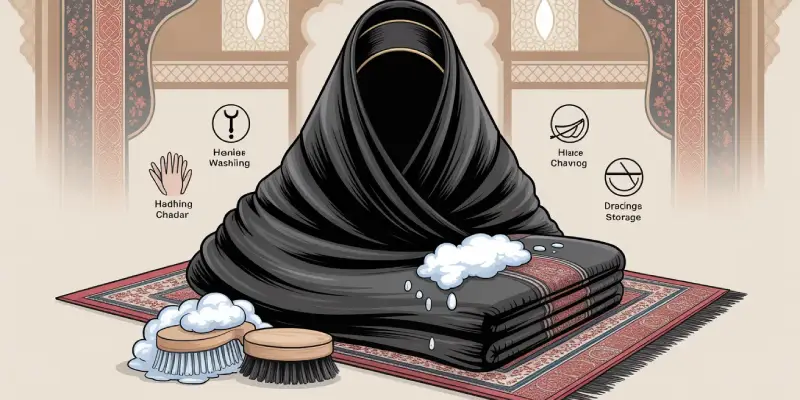
Your beautiful Irani Chadar in Pakistan needs proper care to last. Here’s what actually works based on real experience, not just care label suggestions.
Washing Guidelines by Fabric
Chiffon
Hand wash in cold water with mild detergent. Never wring gently squeeze water out. Air dry flat or hanging. Iron on low heat or steam.
Cotton
Machine washable in cold water on gentle cycle. Can handle normal detergent. Air dry or tumble dry on low. Iron while slightly damp.
Viscose
Hand wash cold only. Use gentle detergent. Don’t twist or wring. Lay flat to dry. Iron on low heat.
Silk blend
Dry clean recommended. If hand washing, use cold water and silk-specific detergent. Never wring. Dry flat in shade.
Storage Tips
Fold, don’t hang: Hanging can stretch delicate fabrics. Fold neatly and store in drawers or boxes.
Avoid plastic: Store in breathable fabric bags or wrapped in cotton cloth. Plastic traps moisture and can cause yellowing.
Separate colors: Store light and dark chadars separately to prevent color transfer.
Moth protection: Use cedar balls or lavender sachets. Avoid mothballs they smell terrible and damage delicate fabrics.
Rotation: Don’t wear the same chadar repeatedly without washing. Rotate your collection to extend each piece’s life.
Seasonal Buying Guide
The Irani Chadar in Pakistan market follows seasonal trends. Knowing when to buy saves money and gets you better designs.
Best Times to Buy
January-February: Post winter sales, clearance prices, up to 40% off
March-April: Spring collections arrive, floral prints dominate, fresh designs
July-August: Eid sales, new festive collections, good variety
November-December: Wedding season stock, premium designs, higher prices
Pro tip
Buy winter chadars in summer and summer ones in winter. Off season shopping saves serious money.
Common Buying Mistakes to Avoid
After years of buying and seeing others buy Irani Chadar in Pakistan, here are mistakes to skip:
Buying based only on photos
Colors look different in person. Always check actual fabric if possible.
Ignoring fabric care requirements
That delicate silk chadar won’t work if you need machine washable options.
Choosing prints that clash with your wardrobe
Make sure the colors work with outfits you actually own.
Overlooking size
Standard length works for most people, but very tall or short individuals should check measurements.
Skipping quality check to save money
A 1,000 rupee chadar that lasts one season costs more than a 2,000 rupee one lasting three years.
Impulse buying too many
Start with 2-3 versatile pieces. Build your collection gradually based on what you actually use.
Matching Irani Chadars with Outfits
Here’s a practical guide for pairing your Irani Chadar in Pakistan with different outfits.
With Solid Colors
Black outfit: Almost any Irani chadar works. Jewel tones look especially striking.
White/Cream outfit: Perfect canvas for bold prints. Go for vibrant florals or geometric patterns.
Colored outfits: Match one color from the chadar with your outfit color. If chadar has red and blue, pair with either red or blue shalwar kameez.
With Embroidered Outfits
Heavy embroidery: Choose Irani Chadar in Pakistan with simpler, more spaced out prints. The chadar should complement, not compete.
Light embroidery: You can handle busier prints. Balance is key.
Monotone embroidery: Printed chadars add the color pop these outfits need.
With Printed Outfits
Generally avoid pairing printed Irani chadar with printed outfits unless you really know what you’re doing. If you must, ensure one print is significantly more subtle than the other.
For more modest wear essentials including abayas, chadars, and hijabs, explore our complete collection at Abaya Store Pakistan.
Investment vs. Budget Choices
Should you splurge on expensive Irani Chadar in Pakistan or stick with budget options? Depends on usage.
When to Invest
Frequent use: If you’ll wear it weekly, quality investment makes sense.
Special occasions: Wedding season, important events justify premium purchases.
Wardrobe staples: Classic prints in versatile colors deserve better quality.
Long term value: Well made chadars last years, making cost per wear reasonable.
When Budget Options Work
Trendy designs: If it might be out of style next year, don’t overspend.
Occasional wear: Chadars you’ll wear a few times don’t need premium investment.
Experimenting with new styles: Test a style with affordable options before investing in quality.
Building collection: When starting out, variety matters more than individual piece quality.
Size and Measurement Guide
Standard Irani Chadar in Pakistan measures approximately 2.5 to 3 yards in length and 40-45 inches in width. But understanding how size affects styling helps you choose better.
| Height | Recommended Length | Why |
|---|---|---|
| Under 5’2″ | 2.25 – 2.5 yards | Prevents excess fabric dragging |
| 5’2″ – 5’6″ | 2.5 – 2.75 yards | Standard size works perfectly |
| 5’6″ – 5’10” | 2.75 – 3 yards | Adequate length for elegant draping |
| Over 5’10” | 3+ yards | Ensures proper coverage and styling options |
Width considerations
Wider chadars (45+ inches) provide more coverage and draping options. Narrower ones (35-40 inches) create sleeker, more modern looks.
Conclusion
The Irani Chadar in Pakistan has evolved from a simple imported accessory to a wardrobe essential that every woman owns. Whether you’re buying your first one or adding to an existing collection, understanding what makes a good chadar helps you make smarter choices.
Don’t get caught up in having the most expensive or the trendiest. Focus on what works for your lifestyle, budget, and actual wardrobe. A 2,000 rupee chadar that you wear regularly and style confidently beats a 10,000 rupee one sitting unused in your closet.
Start with versatile pieces in colors that match your existing wardrobe. Build gradually. Invest in quality for the styles you’ll wear most. Save money on experimental or trendy pieces.
The beauty of Irani Chadar in Pakistan is that there’s something for everyone every budget, every style preference, every occasion. You just need to know what you’re looking for.
For more updates about clothing brands, abaya styles or style ideas visit our site: Abayastore.pk
FAQs
Q1: What is the average price of Irani Chadar in Pakistan in 2026?
Mid range quality Irani Chadar in Pakistan costs between 1,500-3,500 PKR, offering good quality and design variety.
Q2: Which fabric is best for Irani chadar?
Chiffon offers the best drape and elegant look, while cotton works better for daily wear and easy maintenance.
Q3: How do I style Irani chadar for parties?
Pair with embroidered outfits, drape over one shoulder elegantly, and choose bold prints in jewel tones.
Q4: Where can I buy authentic Irani chadar?
Local markets like Anarkali (Lahore), Saddar (Karachi), online platforms like Daraz, and Instagram boutiques sell authentic pieces.
Q5: How to wash Irani chadar without damaging it?
Hand wash in cold water with mild detergent, never wring, air dry flat, and iron on low heat settings.
Q6: What colors are trending in 2026?
Jewel tones (emerald, sapphire, ruby), earth tones (terracotta, olive), and monochrome prints dominate the Irani Chadar in Pakistan market.
Q7: Can I wear Irani chadar to office?
Yes, choose subtle geometric prints, professional colors, and neat draping styles for appropriate office wear.
Q8: How to identify quality Irani chadar?
Check print clarity, color fastness by rubbing fabric, examine hem finishing, and test fabric softness and drape.
Q9: What’s the difference between cheap and expensive Irani chadar?
Fabric quality, print technique (digital vs screen), color vibrancy, finishing quality, and durability differentiate price points.
Q10: What makes Irani chadar different from regular dupatta? Irani Chadar in Pakistan
features bolder prints, larger scale designs, richer colors, and more generous length compared to traditional dupattas.
The right Irani chadar doesn’t just complete your outfit it transforms it into something special.