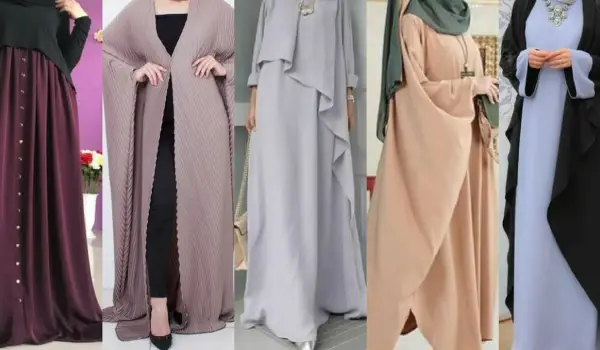
The abaya is a fundamental part of Islamic dress, reflecting modesty, tradition, and modern fashion. Over time, the abaya designs have evolved, offering women diverse options to suit different preferences.
Among the most popular choices are Front Open Abaya and Closed Abaya, each offering unique Abaya Styles suitable for different occasions.
According to a 2024 Modest Fashion Industry Report, demand for Front Open Abaya and Closed Abaya has risen significantly. While front open styles are preferred for layering outfits, closed abayas remain a top choice for those seeking full coverage and simplicity.
The abaya design industry is now focusing on modern aesthetics, breathable fabrics, and versatile cuts to cater to contemporary women.
Design & Structure
The primary difference between Front Open Abaya and Closed Abaya lies in their Abaya Design and functionality.
Front Open Abayas
A front open abaya is designed with a buttoned, zippered, or tied closure, allowing for layering and versatile styling. This abaya style is commonly compared to a long kimono or coat, giving wearers more flexibility in creating modern yet modest looks.
Example: A woman attending a formal event might choose a luxury front open abaya with intricate embellishments over a silk slip dress, enhancing her overall abaya style.
Closed Abayas
A closed abaya is a pull-over style with no front opening, making it one of the simplest and most modest abaya designs. Its flowy and seamless structure provides effortless elegance, especially for daily wear and religious gatherings.
Example: A traveler performing Umrah or Hajj would prefer a breathable closed abaya, ensuring comfort, modesty, and practicality.
Ease of Wearing
Choosing between Front Open Abaya and Closed Abaya often depends on convenience and comfort.
Front open abayas are adjustable, making them perfect for layering with different abaya styles throughout the year.
Closed abayas are hassle free, preferred by those who favor a simple and quick dressing routine.
Research Insight: A 2023 consumer behavior study found that Front Open Abayas and Closed Abayas cater to different lifestyles front open styles are favored in professional settings, while closed abayas remain a staple for religious and cultural wear.
Styling & Layering Options
One of the biggest advantages of Front Open Abaya and Closed Abaya is their versatility in styling.
Front open abayas can be paired with modest dresses, skirts, or wide-leg pants, making them ideal for layering and modern fashion.
Closed abayas create a minimalistic yet elegant silhouette, requiring no additional layers for modest coverage.
Example: A university student might opt for a chiffon front open abaya over a casual outfit, while a homemaker may prefer a cotton closed abaya for daily wear.
Functionality & Convenience
Both Front Open Abayas and Closed Abayas are designed for comfort and practicality.
Front open abayas are ideal for pregnant women, professionals, and fashion-conscious individuals, as they allow easy adjustments and styling flexibility.
Closed abayas are low-maintenance, making them perfect for prayer times, travel, and everyday use.
Occasions & Usage
Occasion
Best Abaya Style
Office & Work
Front Open Abaya (Professional Look)
Religious Gatherings & Mosque
Closed Abaya (Full Coverage)
Casual Outings & Shopping
Front Open Abayas & Closed Abayas
Formal Events & Weddings
Both (Embroidered & Stylish Abaya Designs)
Fabric & Embellishments
Both Front Open Abayas & Closed Abayas come in a variety of abaya designs, featuring high-quality fabrics such as:
Nidha: Luxurious & soft, perfect for formal occasions
Chiffon & Georgette: Lightweight & breathable, great for summer wear
Crepe & Cotton: Comfortable & durable, suitable for casual outings
Trending
Front open abayas now incorporate belted styles, cape cuts, and modern embroidery, while closed abayas emphasize elegant simplicity and flowy silhouettes.
Cultural & Regional Preferences
Gulf Countries (UAE, Saudi Arabia, Qatar): Front Open Abayas & Closed Abayas are equally popular, with luxurious fabrics and detailed embellishments being key trends.
South Asia & Middle East: Closed abayas remain the preferred abaya design, especially in conservative communities prioritizing full coverage.
Market Report
A 2024 fashion study highlights that the demand for customized abaya designs is growing, with women opting for modern aesthetics while preserving modesty.
Latest Research Study
A recent study titled “Abaya Design for Women: Cultural Sensitivity Management and Style Stability” examined the preferences of Muslim women regarding abaya designs.
The research highlighted a growing trend in modest fashion, showing a rising demand for front open abayas due to their versatility and modern appeal.
The study also revealed that while traditional closed abayas remain popular for religious and cultural reasons, many women now seek stylish and comfortable options that blend tradition with contemporary fashion.
Key Findings from the Study
Front open abayas are becoming more popular among young women due to their layering options and modern aesthetics.
Closed abayas still dominate in traditional settings but are also evolving with subtle embroidery and premium fabrics.
The global modest fashion market is expanding, encouraging brands to design abaya collections that suit various cultural preferences.
Front open abayas are lightweight and airy, making them great for warmer climates.
Closed abayas provide better insulation, making them ideal for cooler seasons.
Example: A woman in Dubai may choose a chiffon front open abaya, while someone in Turkey might prefer a wool-blend closed abaya for warmth.
Comfort & Fit
When selecting between Front Open Abaya and Closed Abaya, considering fit and comfort is essential.
Front open abayas provide adjustable fits, accommodating various body shapes.
Closed abayas are relaxed and flowy, ensuring ease of movement.
Popular Trends & Variations
Front Open Abayas
Belted Abayas: Defines the waistline elegantly
Cape Style Abayas: Adds an extra layer of sophistication
Two Tone Abayas: Introduces a modern contrast effect
Closed Abayas
A-Line Abayas: Provides a structured modest look
Butterfly Abayas: Ensures a graceful and airy fit
Minimalist Abayas: Perfect for everyday wear
Conclusion
Choosing between Front Open Abaya & Closed Abaya depends on personal style, lifestyle, and occasion. With the ever evolving abaya designs, women can now select modern yet modest abayas that align with their fashion preferences while ensuring comfort and elegance.
Final Thought: Whether you prefer front open abayas for layering or closed abayas for simplicity, both abaya styles hold an essential place in modest fashion, offering a balance between tradition and modernity.
FAQs
What is the main difference between Front Open Abaya and Closed Abaya?
The key difference between Front Open Abaya and Closed Abaya is that front open styles have buttons or zippers, while closed abayas are stitched from the front without openings.
Which is more suitable for layering: Front Open Abaya and Closed Abaya?
When comparing Front Open Abaya and Closed Abaya, front open abayas are better for layering over inner dresses or outfits.
Are Front Open Abaya and Closed Abaya suitable for formal wear?
Both Front Open Abaya and Closed Abaya can be styled for formal occasions depending on fabric and embellishments.
Which option is more comfortable for daily wear: Front Open Abaya and Closed Abaya?
In the choice between Front Open Abaya and Closed Abaya, comfort depends on personal preference, though many prefer front open styles for flexibility.
How do I choose between Front Open Abaya and Closed Abaya?
To decide between Front Open Abaya and Closed Abaya, consider your styling needs, occasion, and how you prefer to wear your abaya.